There’s nowhere quite like Singapore. It’s one of those places that’s always buzzing—where lush gardens meet gleaming skyscrapers, and every neighborhood tells a different cultural story. It’s clean, safe, futuristic, and full of flavor (literally). Whether you’re just passing through on a long layover or staying a while, this guide to the best things to do in Singapore covers all the must-see attractions, my favorite food spots, local tips, and a few budget hacks to help you make the most of your time in the Lion City with this Singapore Guide.
1. Eat at the Hawker Centres
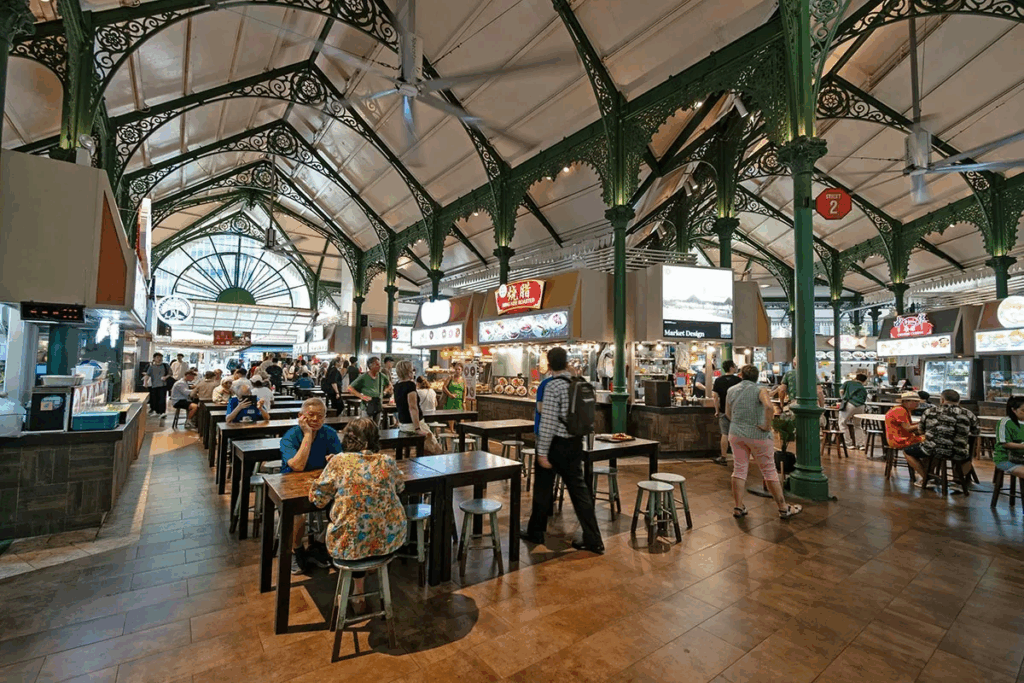
Singapore’s hawker centres are where the soul of the city comes alive. These government-regulated food courts are a local staple and the best way to eat authentically and affordably. Some must-try dishes include:
- Char Kway Teow (stir-fried noodles)
- Laksa (spicy coconut noodle soup)

- Wantan Mee (wonton noodles)
- Roti Prata (flaky flatbread with curry)
You’ll find hawker centres everywhere—from the iconic Maxwell Food Centre to Lau Pa Sat to Satay by the Bay in the heart of the city.

2. Shop on Orchard Road
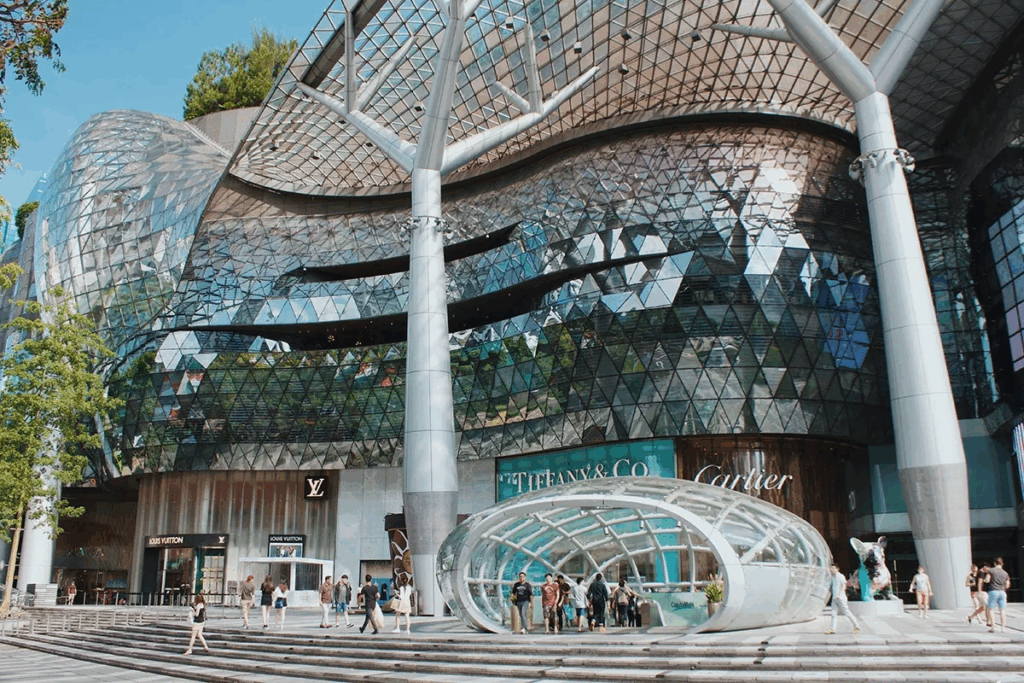
Orchard Road is Singapore’s legendary shopping boulevard, lined with massive air-conditioned malls, designer boutiques, and high-street labels. Even if you’re not into retail therapy, it’s worth strolling through for the atmosphere alone—especially during the holiday season when the street comes alive with lights and festive displays.
3. Visit Gardens by the Bay
This futuristic botanical garden is one of Singapore’s most photographed attractions—and for good reason. Key highlights include:
- Supertree Grove & OCBC Skyway
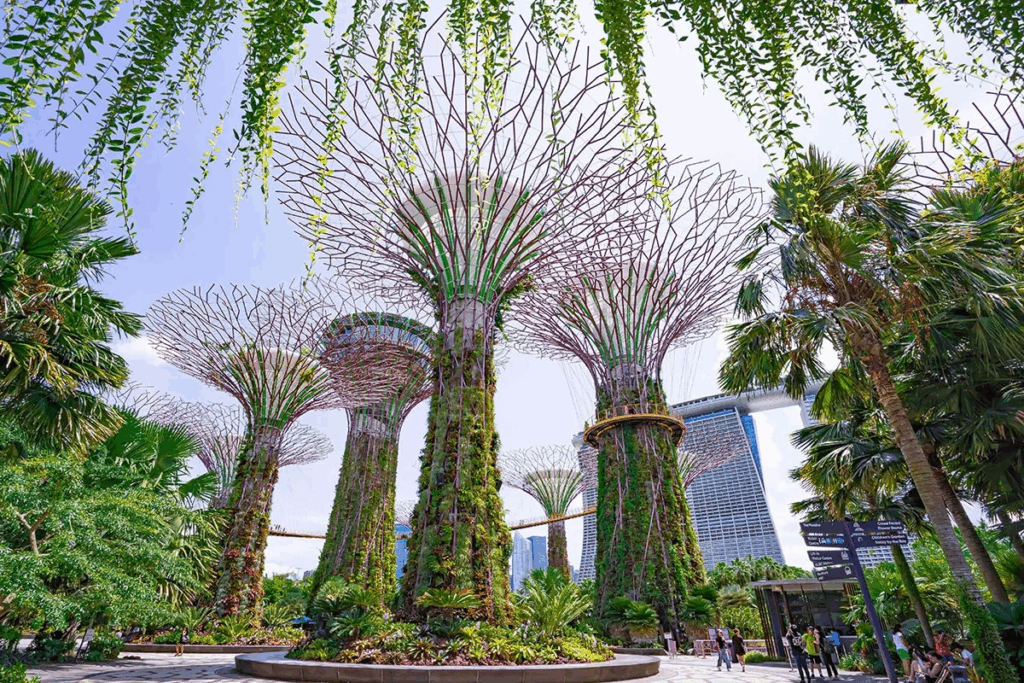
- Cloud Forest: Featuring the second-tallest indoor waterfall in the world.

- Flower Dome: A vast conservatory showcasing exotic plants from around the globe

If you’re short on time, prioritize the Cloud Forest—it’s the most visually stunning and immersive.
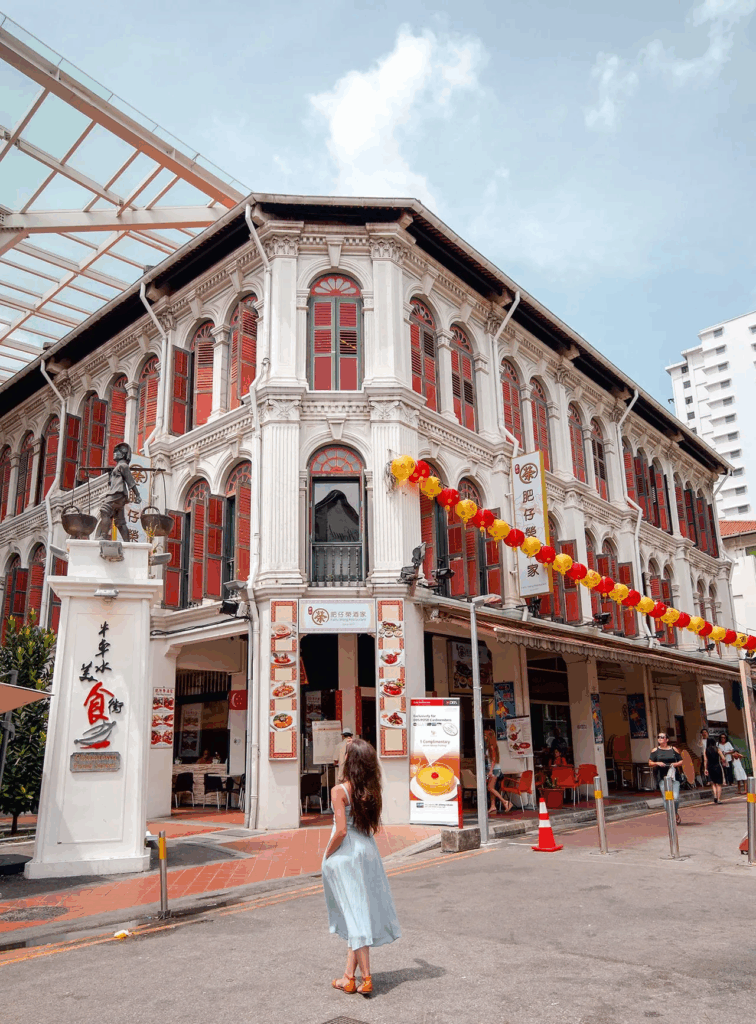
4. Explore Chinatown
Chinatown is a lively neighborhood known for its rich culture, traditional shops, and food. It’s also a fantastic place to buy souvenirs. Be sure to visit:
- Buddha Tooth Relic Temple

- Sri Mariamman Temple
- Chinatown Complex Food Centre

If you can time your visit with Chinese New Year, the neighborhood is transformed with lanterns, music, and cultural celebrations.
5. Discover Clarke Quay & the Merlion
Clarke Quay is a vibrant nightlife hub along the Singapore River, known for its dining and entertainment. From here, you can easily walk to see the famous Merlion Statue, Marina Bay Sands, and Singapore Flyer. Consider taking a river cruise for a scenic way to experience the city.

6. Hike MacRitchie Reservoir Park
Escape the city buzz with a nature walk through MacRitchie Reservoir. Highlights include:
- 11km of walking trails
- The TreeTop Walk—a suspension bridge 25 meters above ground
- Wildlife such as long-tailed macaques (don’t feed them!)
It’s an excellent way to see Singapore’s lush, tropical side.
Photo Spots
National Gallery Singapore
A must for art lovers, the National Gallery houses Southeast Asia’s largest collection of modern art. Special exhibitions, like Yayoi Kusama’s famous mirror rooms, frequently rotate through.
A must for art lovers, the National Gallery houses Southeast Asia’s largest collection of modern art. Special exhibitions, like Yayoi Kusama’s famous mirror rooms, frequently rotate through.

ArtScience Museum
Located at Marina Bay Sands, this lotus-shaped building features high-tech and interactive exhibits that blend art, science, and culture. The teamLab exhibit at the ArtScience Museum was one of the most magical experiences I had in Singapore. It felt like stepping into a dream—walking through fields of light, digital waterfalls, and interactive art that responded to your every move. It’s the kind of place that makes you pause, look around, and just say “wow.”

Arab Street & Kampong Glam
Arab Street and Kampong Glam were some of the most atmospheric places I visited in Singapore. From the golden dome of Sultan Mosque to the colorful fabric shops, quirky boutiques, and Middle Eastern cafés, it felt like every corner had something beautiful or unexpected. The blend of history, culture, and modern creativity made it such a unique part of the city.

Tiong Bahru
One of Singapore’s trendiest neighborhoods, Tiong Bahru is filled with indie bookstores, stylish cafes, and heritage architecture.

Little India
Little India was one of my favorite neighborhoods to explore in Singapore—so full of color, energy, and life. Between the scent of fresh spices in the air, the beautiful garlands of jasmine, and the vibrant temples, it felt like stepping into a completely different world right in the heart of the city.

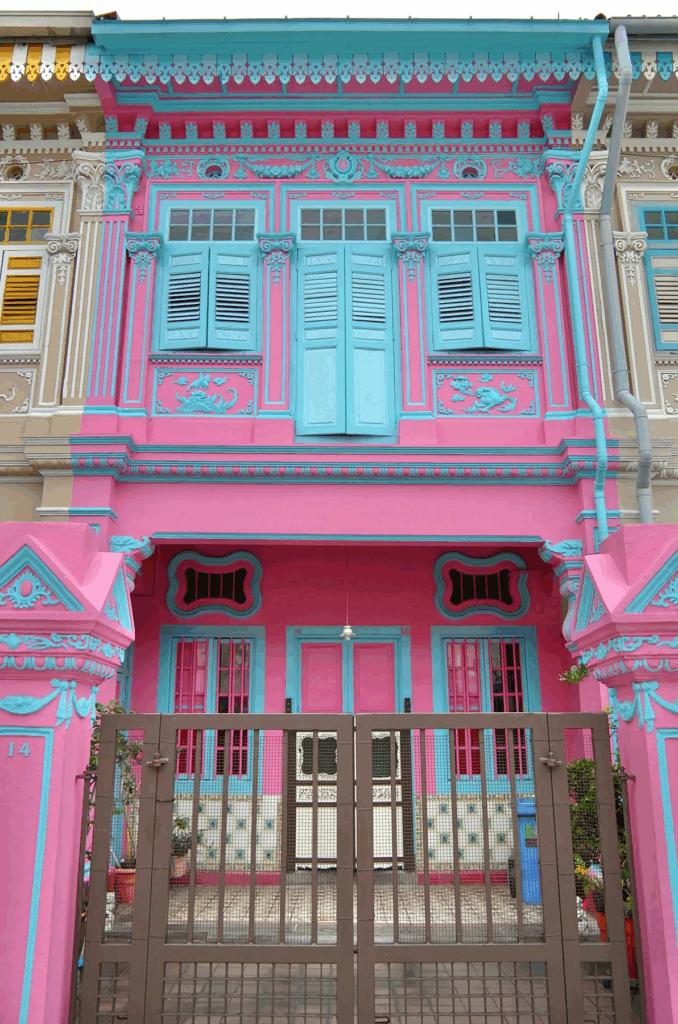
Joo Chiat Road
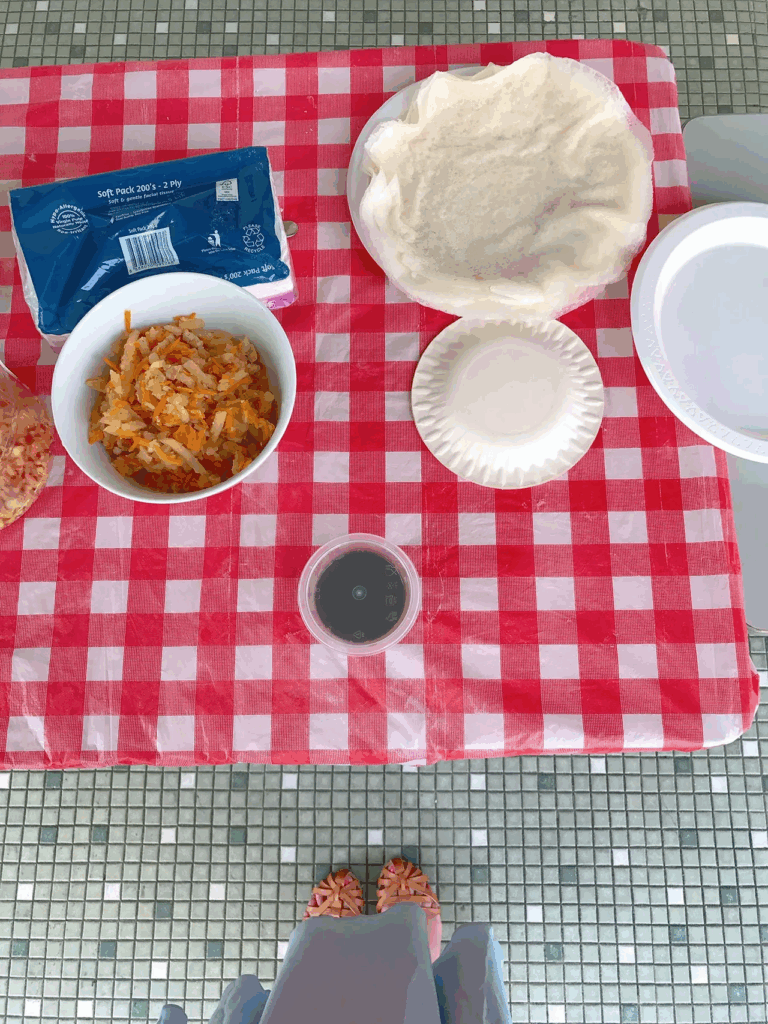
Joo Chiat is one of Singapore’s most vibrant and culturally rich neighborhoods, known for its colorful Peranakan shophouses, indie cafés, and heritage charm. Located in the East, it’s a great spot to explore traditional architecture, sample delicious local eats like laksa and kueh, and soak in a slower-paced, authentic side of the city. We also did a Popiah-making workshop at a 70-year-old family-run eatery, Kway Guan Huat Joochiat Popiah.
Chinatown
A bustling blend of old and new, where historic temples, traditional shophouses, and street markets meet trendy cafés and modern boutiques. It’s one of the city’s most vibrant cultural districts, offering everything from delicious hawker fare and herbal medicine shops to colorful lantern-lined streets and rich Chinese heritage.
Singapore Botanic Gardens
The Singapore Botanic Gardens felt like a peaceful escape from the city—lush, expansive, and incredibly well-kept. I loved wandering through the tropical greenery, especially the Orchid Garden, which was absolutely stunning. It’s the kind of place where you can slow down, take a deep breath, and really connect with nature.

Budget Travel Tips for Singapore
- Eat like a local at hawker centres for delicious, affordable meals.
- Drink tap water—it’s safe and helps you avoid buying bottled water.
- Use single MRT tickets instead of tourist passes. Read more about how to get around Singapore here.
- Visit free attractions like parks and cultural neighborhoods.
- Respect local laws to avoid fines (no littering, chewing gum, etc.).
Singapore has something for everyone—history, architecture, cuisine, and nature—all in a clean, safe, and easy-to-navigate city. Whether you’re visiting for a quick stopover or an extended stay, this dazzling destination will leave you inspired and eager to return.
What to Pack for Singapore: Essentials for a Comfortable Trip
Singapore is hot and humid year-round, with the occasional tropical downpour—so packing smart will make your trip way more comfortable. Here are a few must-haves:
1. Lightweight, Breathable Clothing Think cotton, linen, or moisture-wicking fabrics. Dresses, loose pants, and airy tops are perfect for staying cool while exploring. This is my favorite linen dress for travel.
2. Comfortable Walking Shoes You’ll be doing a lot of walking, from museums to hawker centers to gardens—opt for cushy sandals, sneakers, or supportive flats.
3. Umbrella or Lightweight Rain Jacket Sudden rain showers are super common. A small, packable umbrella or rain jacket will save you from getting soaked.
4. Sunscreen & Sunglasses The UV index is high, even on cloudy days. Protect your skin and eyes with a good SPF and a sturdy pair of sunglasses.
5. Power Adapter Singapore uses the British-style Type G plug (three rectangular prongs). Don’t forget your adapter if you’re coming from abroad.
6. Reusable Water Bottle Tap water in Singapore is clean and safe to drink. A refillable bottle will keep you hydrated and help reduce plastic waste.
7. Light Scarf or Shawl Great for air-conditioned malls, museums, or when visiting religious sites that require modesty. I love this neutral shawl.
8. Bug Spray or Mosquito Patches Not always necessary, but handy if you plan to visit parks or nature reserves like MacRitchie or the Botanic Gardens. These patches are super handy.

Disclaimer:
The content on this blog is for informational purposes only. I make no guarantees about the accuracy, completeness, or reliability of any information provided. Opinions are my own. Some links may be affiliate links, meaning I may earn a commission at no extra cost to you. Always verify details before making travel or financial decisions.